
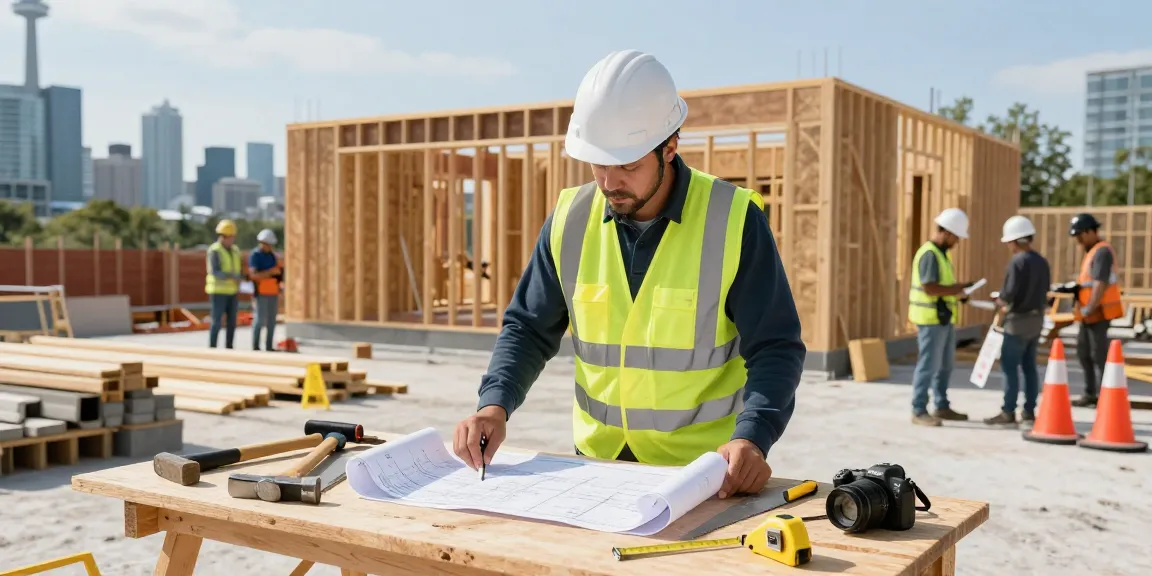
Understanding the Role of a Residential General Contractor
In the bustling city of Toronto, the demand for skilled professionals in home construction and renovation is on the rise. A residential general contractor plays an essential role in managing construction projects, from initial planning to final execution. As homebuyers and homeowners pursue their dream homes or renovations, understanding the responsibilities and qualifications of a residential general contractor is crucial for ensuring a successful project outcome. When exploring options, Residential general contractor toronto provides comprehensive insights into the quality services available in this competitive market.
What Does a Residential General Contractor Do?
A residential general contractor serves as the project manager for construction or renovation efforts. This professional coordinates all aspects of the project, including scheduling, budgeting, and overseeing subcontractors. Here are some key responsibilities:
- Managing the overall construction process from start to finish.
- Coordinating with subcontractors, such as electricians, plumbers, and carpenters.
- Ensuring compliance with local building codes and regulations.
- Communicating regularly with clients to provide updates and address concerns.
- Managing the project budget and timeline, ensuring efficiency and cost-effectiveness.
Key Skills and Qualities to Look For
When choosing a residential general contractor, it's important to look for specific skills and traits that can impact the success of your project:
- Experience: Look for a contractor with a solid track record in residential projects similar to yours.
- Communication: Effective communication is essential for a smooth construction process; your contractor should be approachable and responsive.
- Problem-solving abilities: Construction projects often face unexpected issues; a good contractor will handle these challenges efficiently.
- Attention to detail: A successful build requires precise execution; your contractor should be meticulous and thorough.
- Time management: Your contractor should be adept at managing schedules and resources to keep the project on track.
The Importance of Licensing and Insurance
Safety and legality are paramount in construction. Ensure your residential general contractor holds the necessary licenses and insurance to operate in Toronto. This not only protects you as a homeowner but also ensures that the contractor adheres to local regulations and building codes. A licensed contractor will also have liability insurance to cover any accidents that may occur on-site, providing peace of mind during your project.
Choosing the Right Residential General Contractor in Toronto
With numerous contractors available in Toronto, selecting the right one can feel daunting. However, following a structured evaluation process can help you make an informed decision.
How to Evaluate Contractor Experience and Reputation?
Start by researching potential contractors. Look into their portfolios, client testimonials, and any reviews available online. Reputable contractors typically have a well-documented history of successful projects and satisfied customers. Additionally, consider asking for references to gain personal insights into their work ethic and reliability.
Red Flags to Watch Out For When Hiring
While evaluating potential contractors, be vigilant for signs that may indicate issues:
- A contractor who is unwilling to provide references or licensing information.
- Unusually low estimates which may suggest inferior quality of work or hidden fees.
- Poor communication during the negotiation phase.
- Refusal to sign a detailed contract outlining the work scope, costs, and timeline.
Questions to Ask Before Signing a Contract
Before finalizing your contractor, ask the following questions to ensure clarity and transparency:
- What is your estimated timeline for the project?
- How do you manage changes or unforeseen costs during the project?
- What is included in your estimate?
- Who will be on-site to oversee the work?
- Can you outline your payment schedule?
Best Practices for a Successful Construction Project
Successful construction projects require thoughtful planning and execution. Here are some best practices to consider:
How to Set a Realistic Budget and Timeline?
Begin by outlining your project goals and establishing a detailed budget that includes all potential costs, such as permits, materials, and labor. Work closely with your contractor to create a realistic timeline, factoring in delays that may arise. Having a cushion in both budget and schedule can alleviate stress during construction.
Importance of Communication and Collaboration
Regular communication with your contractor and any other professionals involved in the project is vital. Establish a routine for check-ins to discuss progress and any issues that may need addressing. Transparency fosters a collaborative environment, which can lead to a more successful project.
Utilizing Modern Technology and Tools
Incorporating technology in your construction project can enhance efficiency and productivity. Tools like project management software can help track timelines, budgets, and tasks in real-time, making it simpler to manage complex projects. Additionally, consider using virtual reality (VR) for design visualization or drones for site surveying.
Navigating Challenges in Residential Construction
Even with careful planning, challenges can arise during construction. Understanding how to manage these effectively is crucial.
Common Issues Faced During Projects
Construction projects often encounter obstacles, including weather delays, supply chain disruptions, and unexpected site conditions. Being prepared for these challenges and having contingency plans can minimize their impact on your project.
How to Effectively Manage Delays and Budget Overruns?
To manage delays, keep an open line of communication with your contractor. Regular status updates can help identify potential issues early on. If budget overruns occur, discuss adjustments with your contractor, exploring options that align with your priorities without compromising quality.
Staying Compliant with Local Regulations and Codes
Toronto has specific regulations governing residential construction. Ensure that your contractor is familiar with these regulations and that all necessary permits are obtained before work begins. This will help avoid any legal issues or fines down the line.
Future Trends for Residential Contractors in Toronto
As we move towards 2026, the residential construction industry in Toronto will likely see several evolving trends that contractors must adapt to in order to stay competitive.
Emerging Technologies in Construction for 2026
The integration of artificial intelligence (AI) and machine learning (ML) into project management will become more prevalent, providing contractors with data-driven insights that can enhance decision-making and efficiency. Technologies like 3D printing may also transform how materials are sourced and used in residential projects.
Sustainability and Eco-Friendly Practices
As sustainability becomes a priority for homeowners, contractors will need to incorporate eco-friendly practices into their projects. This includes using sustainable materials, employing energy-efficient designs, and implementing waste-reduction strategies.
The Impact of Urban Development on Residential Projects
Urban development will continue to influence residential construction, with an increasing focus on vertical living solutions such as condos and townhouses. Contractors must navigate the challenges of working in dense environments while meeting the evolving needs of city dwellers.
What Questions Should You Ask a Contractor?
Beyond the essential questions listed earlier, consider asking contractors about their approach to sustainability and if they employ the latest technologies in their projects. Understanding their values and practices can reveal their commitment to quality and innovation.
How to Ensure Quality Control During Construction?
Quality control is critical to the success of any construction project. Schedule regular inspections at various stages of the build to ensure compliance with the project specifications. Maintaining an open dialogue with your contractor regarding quality expectations can address issues proactively.
What are the Benefits of Hiring a General Contractor?
Engaging a general contractor can streamline the construction process, providing a single point of contact for all your queries while ensuring that all aspects of the project are managed efficiently. This saves time and often leads to a smoother project experience.
How Can You Stay Within Budget?
To remain within budget, prioritize your project needs and communicate these effectively with your contractor. Regularly reviewing spending against your budget and being open to adjustments can help ensure that financial constraints are respected throughout the project.