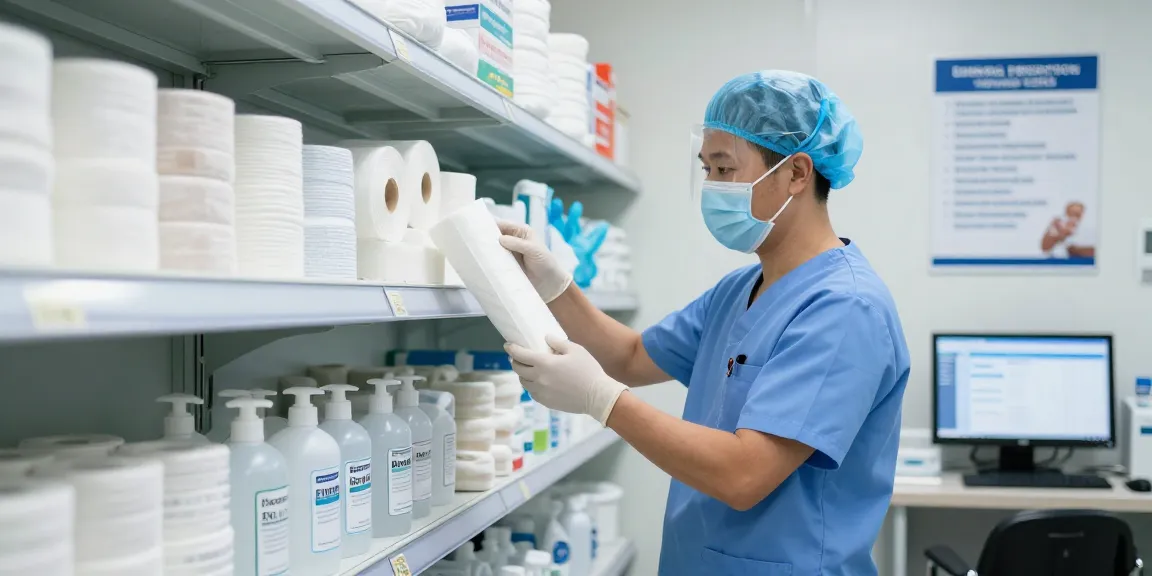
Understanding Medical Gauze: Types and Applications
Medical gauze is an essential component of modern healthcare, serving a vital role in wound care and surgical procedures. This versatile product is primarily used to cover and protect wounds, control bleeding, and promote healing. As healthcare continues to evolve, understanding the different types and applications of medical gauze becomes increasingly important for healthcare providers and patients alike. This article delves into the various aspects of medical gauze, including its types, applications, and the significance of quality selection.
What is Medical Gauze?
Medical gauze is a thin, woven fabric that is typically made from cotton or synthetic materials. Its primary function is to absorb fluids, protect wounds from infection, and provide a barrier against external contaminants. Gauze is characterized by its breathability, flexibility, and ability to be sterile, making it suitable for various medical applications. It is available in different sizes, thicknesses, and shapes, catering to the specific needs of healthcare settings.
Types of Medical Gauze and Their Uses
Medical gauze can be categorized into several types based on their characteristics and uses:
- Plain Gauze: This is the most common type, typically used for basic wound dressings and general applications in hospitals and clinics.
- Adhesive Gauze: Featuring an adhesive backing, this type of gauze is used for securing dressings in place without the need for additional tape.
- Non-Adherent Gauze: Designed to minimize adhesion to the wound, this type is ideal for sensitive wounds, preventing further irritation during dressing changes.
- Antimicrobial Gauze: Infused with antimicrobial agents, this gauze type is used to reduce the risk of infection in surgical and non-surgical wounds.
- Compression Gauze: Specifically designed for applying pressure to control bleeding or reduce swelling, this gauze is frequently utilized in emergency situations.
Importance of Quality in Medical Gauze Selection
The quality of medical gauze is paramount in ensuring effective healing and preventing complications. High-quality gauze is hypoallergenic, free from toxins and contaminants, and adheres to strict regulatory standards. Choosing the right gauze can significantly impact patient outcomes, such as reducing healing times and minimizing the risk of infections. Healthcare providers must carefully evaluate the options available in the market and select products that are safe and effective for their patients.
Market Trends in Medical Gauze for 2026
The medical gauze market is expected to see significant changes by 2026, influenced by advancements in technology, sustainability practices, and evolving consumer demands. Understanding these trends can help healthcare providers and manufacturers stay ahead in the competitive landscape.
Emerging Innovations in Medical Gauze Manufacturing
As technology continues to advance, the manufacturing processes for medical gauze have evolved to produce more effective and specialized products. Innovations such as 3D printing and smart materials are paving the way for next-generation gauze that can deliver medications, monitor wound healing, and respond to environmental changes. For instance, bioengineered gauze materials that can actively promote healing or gauge moisture levels in wounds are on the rise, significantly enhancing patient care.
Sustainability Practices in Gauze Production
With increasing awareness of environmental sustainability, manufacturers are adopting eco-friendly practices in gauze production. This includes using organic materials, reducing waste, and implementing energy-efficient processes. Healthcare providers are also seeking products that not only meet medical standards but also align with their sustainability goals. This shift towards greener practices reflects a growing responsibility within the healthcare industry to reduce its ecological footprint.
Healthcare Provider Insights on Gauze Demand
Healthcare providers are reporting an increased demand for specialized gauze products that cater to specific patient needs. This trend emphasizes the importance of gauze that is suited for various clinical environments, including emergency rooms, surgical theaters, and home healthcare. Providers are also looking for cost-effective solutions without compromising quality, driving manufacturers to innovate and expand their product lines.
Best Practices for Using Medical Gauze
Using medical gauze effectively is crucial for ensuring optimal healing and minimizing complications. Adhering to best practices in application, handling, and storage can greatly enhance patient outcomes.
Effective Techniques for Proper Wound Dressing
To maximize the effectiveness of medical gauze in wound dressing, healthcare providers should follow these protocols:
- Ensure that hands are clean and gloves are worn during the dressing process.
- Select the appropriate gauze type based on the wound’s severity and location.
- Apply a non-adherent layer directly to the wound when dealing with sensitive or healing skin.
- Secure the gauze using medical tape or adhesive gauze, ensuring it fits snugly but does not obstruct circulation.
- Monitor the dressing for signs of infection, such as increased redness, swelling, or discharge.
Common Mistakes to Avoid with Medical Gauze
While medical gauze is a straightforward tool, certain mistakes can lead to negative outcomes, including:
- Using the wrong type of gauze for specific wound conditions.
- Failing to change dressings regularly, which can trap moisture and promote infection.
- Not securing the gauze properly, leading to loosening and exposure of the wound.
- Neglecting to assess wound healing progression, which can guide future dressing decisions.
Guidelines for Storage and Handling of Medical Gauze
Proper storage and handling of medical gauze are essential for maintaining sterility and effectiveness. Here are some best practices:
- Store gauze in a cool, dry place away from direct sunlight and moisture.
- Keep gauze packages sealed until needed to protect against contamination.
- Regularly check expiration dates and replace outdated products promptly.
Challenges in the Medical Gauze Market
Despite the advancements in medical gauze, several challenges persist in the market that healthcare providers and manufacturers must navigate.
Supply Chain Disruptions and Their Impact
Global events such as pandemics and natural disasters have exposed vulnerabilities in supply chains for medical products, including gauze. These disruptions can lead to shortages, affecting patient care. Healthcare providers need to develop contingency plans and alternative sourcing strategies to ensure a reliable supply of essential materials.
Cost Management Strategies for Healthcare Providers
As costs rise, healthcare providers are increasingly focused on managing expenses associated with medical supplies. Strategies may include:
- Bulk purchasing of gauze to take advantage of discounts.
- Evaluating the cost-effectiveness of different gauze types by assessing their performance and longevity.
- Utilizing generic options that meet safety and quality standards.
Addressing Misconceptions About Gauze Efficacy
There are often misconceptions regarding the effectiveness of various types of gauze. Educating healthcare teams and patients about the specific functions of different gauze products can enhance trust and compliance, ensuring that wounds are managed appropriately.
The Future of Medical Gauze: Predictions and Opportunities
Looking ahead, the future of medical gauze is filled with opportunities shaped by technological innovation and evolving healthcare practices.
Anticipated Changes in Healthcare Regulations
As new materials and technologies emerge, healthcare regulations concerning medical gauze will likely tighten. Manufacturers must stay informed about regulatory changes to ensure compliance, which can also enhance product safety and efficacy.
Potential for Smart Gauze Technology
Smart gauze technology is on the horizon, offering exciting possibilities. Imagine gauze that can monitor wound healing, deliver medication, and send alerts to healthcare providers about potential complications. This innovation could revolutionize patient care and significantly improve recovery outcomes.
Preparing for Future Healthcare Demands
With the ongoing changes in the healthcare landscape, providers must remain adaptable and proactive in preparing for future demands. This includes investing in education and training on new gauze technologies, as well as exploring partnerships with innovative manufacturers to stay at the forefront of wound care.
What are the benefits of using medical gauze?
Medical gauze offers numerous benefits, including rapid absorption of exudate, breathability to allow air circulation, and versatility for various applications. These attributes make gauze a preferred choice for wound management.
How is medical gauze manufactured?
The manufacturing process of medical gauze typically involves the weaving of cotton or synthetic fibers, followed by sterilization to ensure safety. Quality control measures must be implemented throughout the process to guarantee that the final product meets healthcare standards.
What innovations can we expect in medical gauze production?
Future innovations in medical gauze may include advanced materials that enhance healing, such as those that are biodegradable or have built-in antimicrobial properties. Additionally, smart gauze that can track healing progress is anticipated to enter the market.
How can healthcare providers reduce costs related to medical gauze?
Healthcare providers can reduce costs by evaluating their gauze usage patterns, utilizing bulk purchasing, and exploring generic alternatives that do not compromise quality.
What are the best practices for handling and storing medical gauze?
Best practices for handling and storing medical gauze involve keeping it in a sterile environment, monitoring for expiration dates, and ensuring proper techniques are used during application to maintain effectiveness.